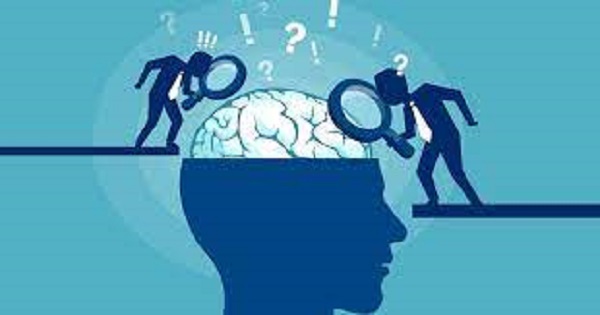

Embarking on a journey through the mind’s intricate pathways, a BS in Psychology serves as your compass to navigate the vast landscape of human behavior and mental processes. This degree unlocks a treasure trove of understanding, equipping you with the tools to not only decipher the complexities of the mind but also apply this knowledge in a multitude of settings.
Whether you’re driven by a passion to help others, a curiosity about what makes people tick, or a desire to push forward the boundaries of our psychological knowledge, a BS Psychology lays the foundation for a fulfilling career that resonates with your aspirations. With each course and experiment, you step closer to becoming an architect of change in both individual lives and society at large.
Embarking on a Journey through BS Psychology
Embarking on a Bachelor of Science (BS) in Psychology involves diving into the complex world of human behavior and mental processes. In this comprehensive exploration, we’ll guide you through various facets of the degree, its requirements, and the opportunities it opens up for graduates.
Understanding the Core of BS Psychology
Before delving into the specifics, it’s crucial to grasp what a BS in Psychology entails. It is a scientific approach to studying psychological principles, employing rigorous methodologies and statistical analyses to understand human behavior.
- Research Methods and Statistics: A significant portion of the coursework focuses on understanding research designs, data analysis, and interpretation of psychological research.
- Biological Bases of Behavior: Students learn about the physiological processes and neurological systems that underpin behavior and cognition.
- Cognitive Psychology: This branch explores internal mental processes including perception, thinking, problem-solving, and memory.
- Developmental Psychology: You will study how human beings change and grow throughout their lifespan, from infancy to old age.
- Social Psychology: This field examines how social interactions and societal factors influence individual behavior and thoughts.
What distinguishes a BS in Psychology from a BA (Bachelor of Arts) is often the emphasis on the natural sciences, math, and a more quantitative analysis approach.
Curriculum and Coursework: The Building Blocks of Knowledge
A BS in Psychology is designed to provide a strong foundation in various psychological theories and practices. The coursework is often a mix of lectures, seminars, and lab work. Let’s break down the typical classes and experiences you might encounter:
Year 1: Introduction and Foundation
The first year is generally about laying the groundwork with introductory courses such as General Psychology, Introduction to Cognitive Processes, and Basic Statistics for Psychology.
Year 2: Diving Deeper into the Discipline
In the second year, students often engage with courses that offer more depth, such as Abnormal Psychology, Theories of Personality, and Biopsychology.
Year 3: Specialization and Application
By the third year, students might begin to specialize in areas of interest and take part in research projects or internships. Courses could include Child and Adolescent Psychology, Neuropsychology, and Advanced Research Methods.
Year 4: Synthesis and Professional Preparation
The final year typically involves synthesizing learning and preparing for professional life. This might involve a capstone project, thesis, or further specialization courses such as Forensic Psychology or Health Psychology.
Practical Experience: Laboratory and Internship Opportunities
Real-world experience is a cornerstone of BS Psychology programs. Many degrees require lab work and internships to provide practical skills.
- Laboratory Work: Students might participate in experiments, learn to use psychological testing instruments, and engage in data analysis within a supervised lab setting.
- Internship Programs: Internships can offer professional experience in a variety of settings, such as hospitals, schools, or private practices, giving students a taste of potential career paths.
Career Prospects After BS Psychology: What’s Next?
A BS in Psychology can lead to a wealth of career opportunities, some of which require further education, while others are accessible immediately after graduation.
- Graduate Studies: Many graduates choose to pursue master’s or doctoral degrees, specializing in fields such as clinical psychology, counseling, or academic research.
- Human Resources: Understanding human behavior can be a significant asset in recruitment, training, and organizational development.
- Healthcare Roles: Graduates may work as psychiatric technicians, rehabilitation specialists, or in various support roles within mental health services.
- Marketing and Consumer Behavior: Companies often seek out psychology graduates for their insights into consumer behavior and market research.
From Classroom to Career: Developing Core Skills
The journey through a BS Psychology program is not just about accumulating knowledge, but also about building a skill set that’s valuable in any career.
Communication Skills
Psychology students learn to express complex ideas clearly, whether in writing or speaking, making them effective communicators.
Analytical Thinking
The ability to assess, analyze, and interpret data is a skill that’s in high demand across industries. Psychology graduates excel in this area thanks to their training in research methods and statistics.
Understanding of Human Behavior
A deep understanding of what drives behavior can help in many fields, from product design to public policy.
Problem-Solving Abilities
Psychology courses often involve case studies and scenarios that require creative and critical thinking, equipping students with robust problem-solving skills.
A BS in Psychology can be both an exciting academic pursuit and a pathway to a rewarding career. It offers an in-depth understanding of human behavior, equips students with a versatile skill set, and provides a foundation for various professional opportunities. Whether you’re drawn to clinical practice, research, or some other application of psychological principles, a Bachelor of Science in Psychology can be the launchpad for a fulfilling future.
While this exploration provides a comprehensive overview of a BS in Psychology, it’s important to remember that the journey is as unique as the individuals undertaking it. Each student will find their own path through their interests, experiences, and goals, making their educational and professional careers in psychology as diverse and dynamic as the field itself.
10 Psychology Careers To Know About
Frequently Asked Questions
What can I expect to learn during a Bachelor of Science in Psychology program?
A Bachelor of Science in Psychology program typically provides a comprehensive overview of psychological theories, research methods, and the application of psychological principles. Expect to cover topics such as cognitive psychology, behavioral neuroscience, social psychology, developmental psychology, and abnormal psychology. The program also emphasizes scientific research and statistical methods, fostering critical thinking and analytical skills. Additionally, you may have opportunities for hands-on experience through internships or laboratory work.
How does a BS in Psychology differ from a BA in Psychology?
The primary difference between a BS and BA in Psychology lies in the focus and coursework. A BS in Psychology often includes more courses in science and mathematics, focusing on the technical and research aspects of psychology. It may be more suitable for students interested in pursuing a career in science or research. On the other hand, a BA typically involves more liberal arts courses and may offer a broader range of electives, making it ideal for students interested in the social sciences, counseling, or education.
What careers can I pursue with a Bachelor of Science in Psychology?
With a Bachelor of Science in Psychology, you can explore various career paths including human resources, market research, case management, psychiatric technician, and sales. While some advanced positions may require further education, graduates with a BS in Psychology also often pursue graduate studies to become psychologists, counselors, or therapists. Additionally, the skills acquired during the program, such as communication, problem-solving, and understanding human behavior, are valuable in numerous other fields.
Is research experience important when studying for a BS in Psychology?
Yes, research experience is highly beneficial when studying for a BS in Psychology. Engaging in research projects allows you to apply theoretical knowledge to real-world problems, develop critical thinking and data analysis skills, and contribute to the field’s body of knowledge. It also enhances your resume for graduate school applications or careers in psychology-related fields where research skills are a significant asset.
What should I consider when choosing a university for my BS in Psychology?
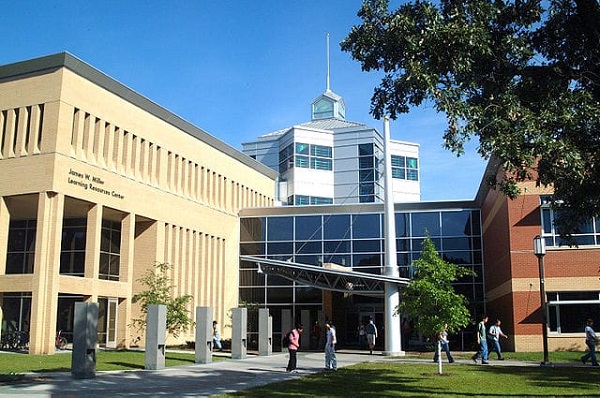
When choosing a university for a BS in Psychology, consider the program’s curriculum, faculty expertise, research opportunities, accreditation, and the availability of internships or practicums. Additionally, think about the size of the university, the campus culture, location, and your career goals, as these factors can affect your educational experience and future in the field of psychology.
Can I attend graduate school after completing a BS in Psychology?
Yes, many students choose to further their education by attending graduate school after completing a Bachelor of Science in Psychology. Graduate programs may lead to a Master’s degree or Doctorate in various psychology specializations. Attending graduate school can open doors to more advanced careers in psychology, academia, research, clinical practice, or counseling. It’s important to maintain a strong academic record and gain research or practical experience during your undergraduate studies to enhance your graduate school applications.
Final Thoughts
In conclusion, a BS Psychology degree offers a comprehensive understanding of human behavior and mental processes. Graduates are well-equipped for diverse careers, from clinical settings to business environments.
With a solid foundation in psychological theories and practices, those with a BS Psychology credential are poised to positively impact various aspects of society, fostering healthier communities and workplaces.